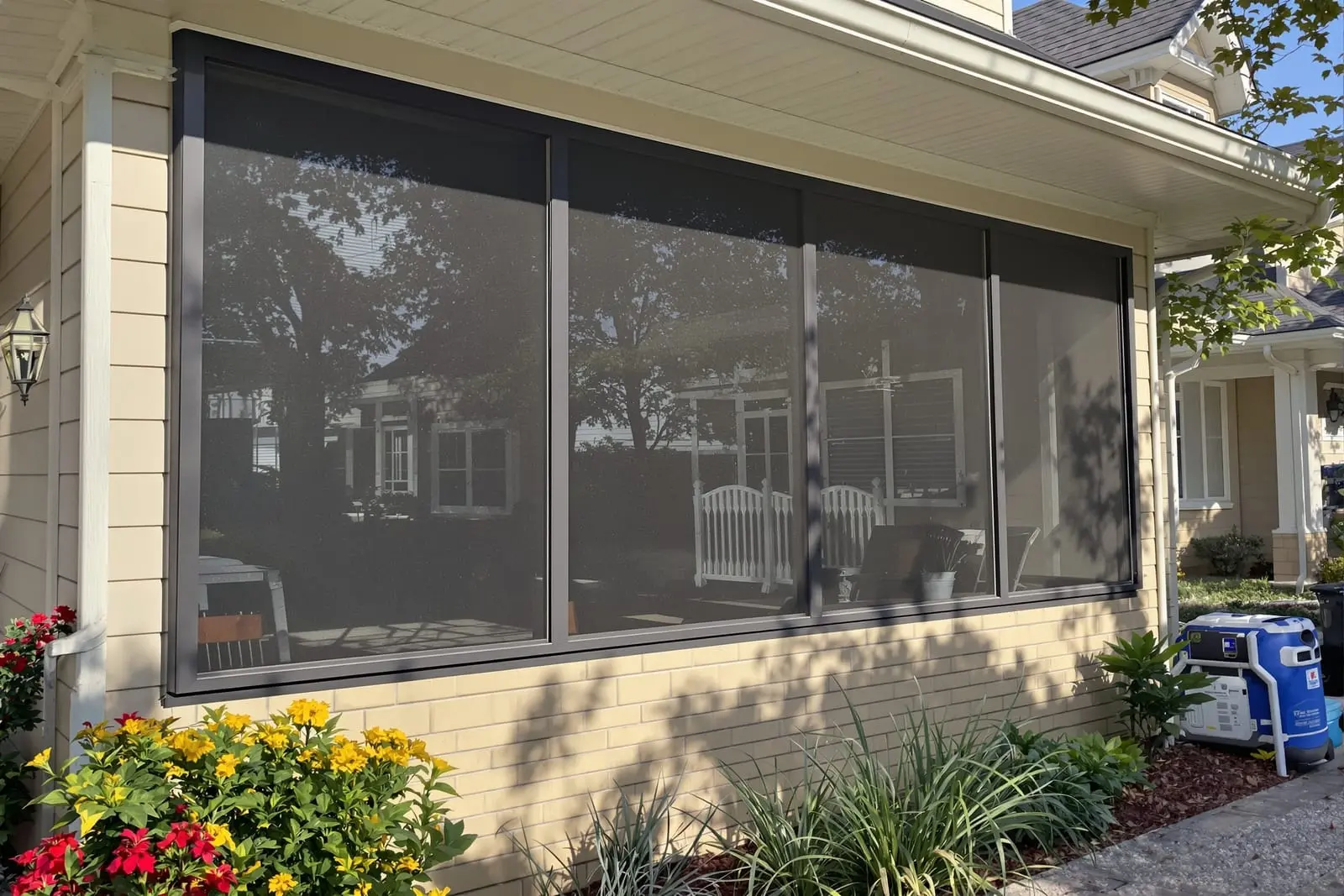
Vista Screens Lakeland offers prompt screen repair in Lakeland, FL for torn, sagging, or damaged screens. We restore window and door screens so you can enjoy fresh air without pests. Our technicians replace mesh, straighten frames, and respline loose edges on site. Keep your home protected and looking great with professional screen repair.
Vista Screens Lakeland provides professional screen repair throughout Lakeland, FL and the surrounding area. Our licensed, insured crew delivers safe, clean, on-time work with a free estimate before anything begins. Call (813) 820-6654 or request your free quote.
Screen Repair for Lakeland Pool Cages, Patios, and Lanais
In Central Florida, your screens work hard every day. Sun, sudden storms, and pollen can wear them down fast, especially around Lakeland where afternoon showers and strong UV are common. Vista Screens Lakeland focuses on screen repair that keeps your pool cage, patio, or lanai usable year round, without pushing a full replacement when you do not need it.
When you call us for screen repair, we start by asking how you use the space. A pool enclosure that gets constant use by kids and pets needs different screening than a quiet lanai facing the golf course. We look at where the damage is, how old your existing screen is, and whether your aluminum frame or fasteners are also starting to fail. This lets us tell you when it makes sense to repair a few panels and when it may be smarter to plan a phased re-screen.
Because we work only in this area, we are familiar with Lakeland communities that have HOA guidelines on screen color, enclosure height, and visibility. Before we begin work, we can review your HOA rules with you if you have them handy, so you do not run into an approval problem later, especially in neighborhoods around Lake Hollingsworth, North Lakeland, and South Lakeland subdivisions.
Our Step-by-Step Screen Repair Process
Vista Screens Lakeland follows a consistent, detailed process so your repaired panels look clean and stay tight for years.
1. Inspection and assessment: We walk the entire enclosure, not just the obvious tear. We check for loose spline, corrosion on fasteners, sagging panels, and any stress cracks in the aluminum members. You get a clear summary of what needs repair now versus what can wait.
2. Measuring and panel planning: Instead of guessing, we measure each damaged bay and note which ones are standard height, kick plate height, or oversized. This matters because large panels over pool decks catch more wind and often need heavier screen or extra attention at the spline.
3. Safe removal of damaged screen: We remove the old spline and screen, protect nearby surfaces, and keep debris out of your pool and landscaping. Around pools, we usually set up work mats and use poles or nets to catch any stray material.
4. Frame prep and minor fixes: Before new screen goes in, we clean the spline groove, remove corrosion, and correct small frame bends that can cause future tears. If screws are rusted, we can replace them with stainless or coated hardware so the new screen is not cut by sharp edges.
5. Installing new screen and spline: We roll new screen into place with the correct spline size for your frame, then tension the screen evenly so it is tight but not overstretched. Proper tension avoids the “trampoline” look and helps the screen stand up to summer wind gusts.
6. Final clean up and walkthrough: We trim excess screen neatly, remove all scrap and fasteners, and do a final walkthrough with you. If you are not on-site, we can text photos of the finished work so you can review everything before we leave.
Screen Material Options for Lakeland Weather
Not every screen is the same, and choosing the right mesh for your Lakeland home affects durability, airflow, and how much maintenance you will need.
Standard fiberglass screen: This is the most common and budget friendly option for pool cages and patios. It provides good airflow and visibility, but in our climate it typically lasts 7 to 10 years before it starts to fade and weaken. It is a good choice when you plan to re-screen the whole enclosure in the near future and just need a few repairs to get by.
Florida-grade polyester screen: For homeowners who are tired of frequent repairs, we often recommend a heavier polyester mesh. It is more resistant to stretching and tearing during strong summer storms. It also handles UV better, so it keeps its color and strength longer. The upfront cost is higher, but many Lakeland customers choose it for top panels that are harder to access and more expensive to repair.
Pet resistant screen: If you have dogs that lean or scratch at the bottom sections near doors, we can install pet resistant screen on only those lower panels and use standard mesh elsewhere. This heavier screen resists claw damage and helps prevent the “dog door” effect where pets push out the lower corners.
No-see-um (tiny insect) screen: Around the lakes and retention ponds in Lakeland, gnats and midges can be a problem. No-see-um mesh has smaller openings to keep out tiny insects, but because it is tighter, it blocks a bit more breeze and light. We often recommend using it on a few key walls instead of the entire structure to keep comfort and airflow balanced.
Privacy and shade screen: For west-facing patios that get hard afternoon sun, we can use a denser screen that adds shade and privacy. This material can help reduce glare and heat on your patio surfaces and interior rooms that face the enclosure.
Common Screen Problems We Fix in Lakeland
Our technicians at Vista Screens Lakeland see a consistent set of screen problems tied to our local weather and home designs. Knowing what is normal and what is a red flag can help you decide when to call for repair.
Storm and wind damage: Summer thunderstorm gusts can pop spline out of the track or pull large roof panels loose. If only a few panels are affected, targeted repair is usually enough. If you see multiple roof sections sagging or loose spline on several walls, it might be a sign that the original screen has reached the end of its life.
Tree and animal damage: Branches from oaks and palms near the enclosure can rub and eventually cut into the screen. Squirrels and birds can also create small holes along the roof edge. We repair the damaged areas and can advise you on minor trimming or small changes in landscaping that will help protect your new screen.
UV and age related wear: If your screen turns chalky when you touch it, or tears easily with a light push, the mesh is breaking down from sun exposure. In this case, patching one hole is rarely cost effective. We will be honest about whether a full re-screen, done once, will save you from chasing repairs year after year.
Door and hardware issues: Sometimes what looks like “screen damage” is really a door or hardware problem. We frequently fix screen doors that no longer latch, replace worn bug sweeps at the bottom, and adjust hinges so the door closes without dragging. Addressing these small issues helps prevent future rips along the door frame.
What Affects Screen Repair Cost and Timing
Screen repair pricing and scheduling depend on several specific factors that we explain up front so you can make informed decisions.
Number and size of panels: Repairing one lower wall panel near ground level is very different from replacing multiple large roof sections over a pool. Tall or wide panels require more material and more time to install safely. For multi-panel jobs, we can often group work to reduce overall labor.
Screen type and upgrades: Standard fiberglass is the least expensive, while heavy-duty polyester, pet resistant, or privacy mesh adds to the cost. Sometimes it makes sense to mix materials, using premium screen only in high wear areas, which we will review with you during the estimate.
Access and safety: Enclosures close to property lines, sloped yards, or ones built over raised decks may require special ladders or staging. Around pools, we take time to protect your deck, coping, and water. These steps can affect both cost and how long the job takes, but they protect your property and our crew.
Minor frame and hardware fixes: If we find small issues such as loose fasteners, minor frame shifts, or rusted screws, we will list them with separate pricing so you can choose what to address now. Many homeowners prefer to handle these small items at the same time as panel repair so they do not pay for multiple service visits.
For most Lakeland homes, a typical screen repair visit can be scheduled within a few business days in the dry season and a bit longer during peak summer storms. We always provide a written estimate before beginning work, and we are happy to break larger projects into stages if that fits your budget.
Why Lakeland Homeowners Choose Vista Screens Lakeland
When your enclosure is torn, you feel it immediately. Mosquitoes appear at sunset, leaves gather in the pool, and your patio becomes less comfortable. Vista Screens Lakeland focuses on screen repair that gets your space back in use quickly and keeps it that way.
We are a local team that works only with screens, so we bring specialized tools, replacement materials, and hardware on the truck. This lets us complete most repairs in a single visit and avoid “we will come back next week” delays. Because we have worked across Lakeland for years, from older homes with original pool cages to newer builds with tall picture window panels, we know what typically fails first and how to repair it in a way that lasts.
We also respect that not every issue requires the most expensive fix. During your estimate, we will point out where basic repair is enough and where an upgrade really makes sense, such as roof panels over a large pool or walkways that you use every day. Our recommendations are based on how you live in the home, not on a one-size-fits-all package.
If you are dealing with torn panels, sagging roof sections, or just know your enclosure is not keeping out bugs the way it should, Vista Screens Lakeland can inspect, explain your options in plain language, and complete the screen repair work with care. You can then get back to using your pool, patio, or lanai the way it was meant to be enjoyed.
“
Professional screen repair, done right the first time, quality materials, honest pricing, and results that last.