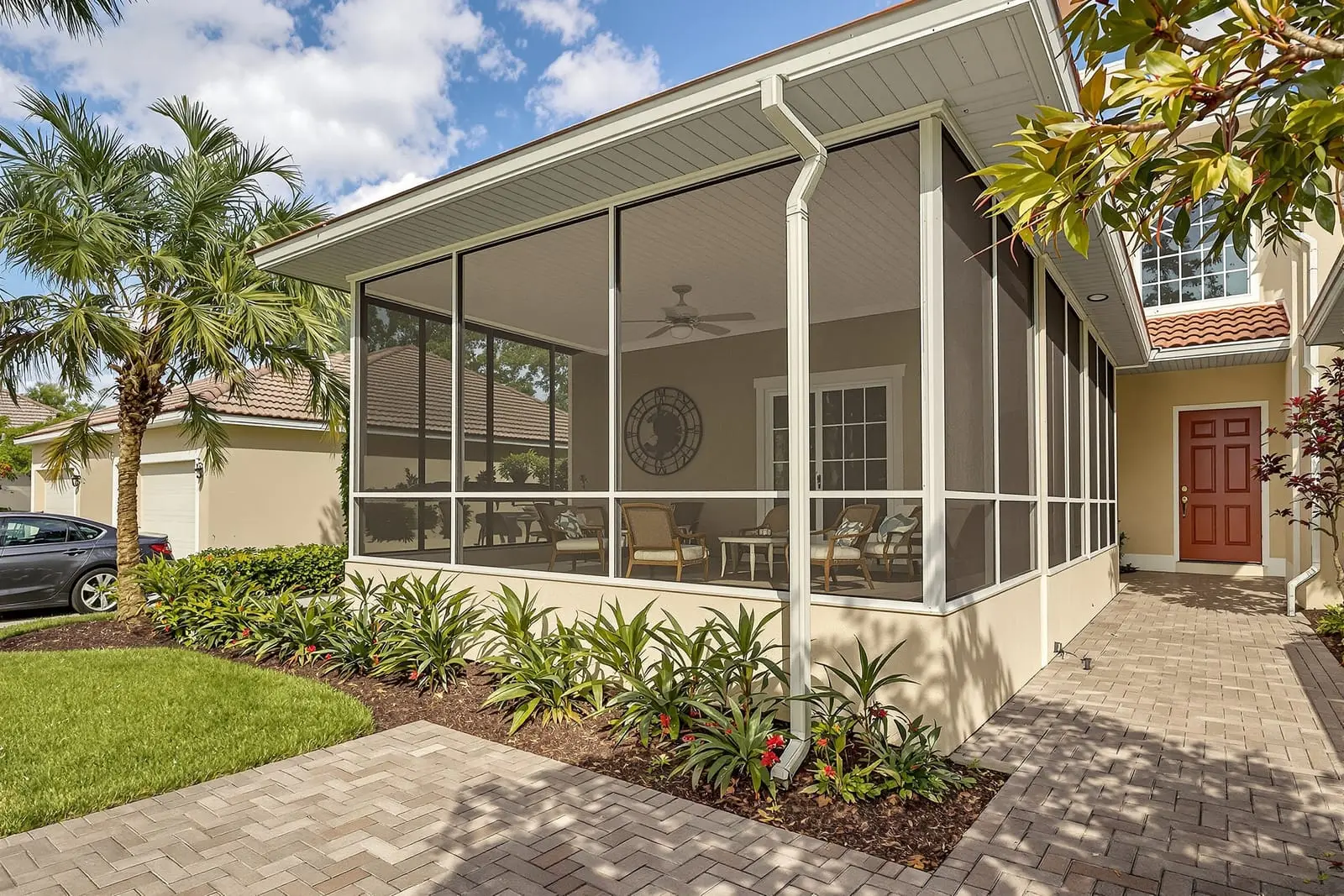
Vista Screens Lakeland builds custom lanai screen enclosures in Lakeland, FL that extend your living space outdoors. We design screen rooms that attach to your home and blend with existing architecture. Options include kick plates, privacy screens, and multiple door placements. Create a breezy lanai that is perfect for relaxing, dining, or entertaining.
Vista Screens Lakeland provides professional lanai screen enclosures throughout Lakeland, FL and the surrounding area. Our licensed, insured crew delivers safe, clean, on-time work with a free estimate before anything begins. Call (813) 820-6654 or request your free quote.
Lanai Screen Enclosures Tailored for Lakeland Homes
If you enjoy your lanai but bugs, pollen, and summer thunderstorms keep you inside, a custom lanai screen enclosure from Vista Screens Lakeland can turn that space into a room you actually use. We focus specifically on the way Central Florida homes are built, so we design around your slab, roof line, and landscaping instead of forcing a one size fits all frame.
When we first visit your Lakeland home, we measure the full opening of your lanai, note the height of your soffits, and look at how wind and sun hit the back of your house. Homes backing up to lakes, retention ponds, and open fields in Lakeland often get stronger gusts, so we factor that in when sizing aluminum posts and fasteners. If your lanai faces south or west, we may recommend a heavier duty screen in the sunniest sections to cut glare and heat.
We walk you through layout choices like where doors should go, how wide they should be for furniture, and whether you want clear view sections toward your pool or pond. Instead of guessing from a catalog, we sketch the frame right on your patio so you can see where horizontal supports and kick plates will land. This simple planning step saves a lot of regret later and is one of the reasons Lakeland homeowners ask for Vista Screens Lakeland by name.
How We Build a Reliable Lanai Screen Enclosure
A solid lanai enclosure starts with the structure. We typically use powder coated aluminum framing rated for Florida coastal and inland conditions, anchored into your concrete slab and tied into the wall or fascia of your home. Before we drill anything, we check for existing cracks in the slab or soft spots around the perimeter. If we see movement or crumbling concrete, we recommend repairs first so your new enclosure will not shift or loosen in the first stormy season.
For most Lakeland homes, we install a perimeter base track that is secured into the lanai slab with corrosion resistant concrete anchors. Vertical posts are then set into this track at carefully calculated intervals, usually 3 to 5 feet apart depending on height and wind exposure. On taller cages, we may add extra verticals in corner areas that take the brunt of summer storms. We attach header beams at the top and tie into your existing roof structure or fascia with stainless or coated fasteners, which helps the enclosure behave like a single unit with your house rather than a freestanding structure.
Screen panels are rolled into the frame using spline that is sized correctly for the groove. Cheap or mismatched spline is one of the main reasons panels pop out during storms. We use appropriate spline size and tension each panel by hand to avoid sagging in the first few months. At the bottom, we often use a kick plate or a lower solid section to protect the screen from weed trimmers and pets. All doors are adjusted to swing freely without catching on pavers or uneven concrete, and we use self closing hinges if pool safety codes apply to your property.
Screen Types, Design Options, and What Affects the Price
There is a wide range of screen materials for lanai screen enclosures, and your choice affects cost, appearance, and durability. The most common option is standard fiberglass insect screen, which is affordable and works well for most Lakeland patios where the main goal is to keep mosquitoes and lovebugs out. For homes near lakes, canals, or retention ponds, we often recommend a tighter weave known as no see um or 20 by 20 mesh that stops smaller biting insects that are common around standing water.
If you are tired of pollen and dust blowing onto your furniture every spring, we can use a slightly denser screen on the windward side of your lanai to catch more debris without closing in your view. For customers who host gatherings and watch games outside, we offer screens that reduce glare and add a bit of daytime privacy. There are also heavy duty pet resistant screens that hold up better to cats climbing and dogs jumping, which is a good fit if your lanai is the main play area for pets.
Pricing for a lanai enclosure is driven by several things: total square footage of screen area, height of the structure, screen type, and how much structural reinforcement you need. A tall two story enclosure with no see um mesh around a pool in South Lakeland will cost more than a small, single level lanai off a villa in North Lakeland with standard fiberglass. Additional doors, custom door widths for grills or furniture, and integrated pet doors also affect the final price. During your estimate, Vista Screens Lakeland itemizes these choices so you can see exactly what you are paying for and where you can save money without sacrificing strength.
Local Weather Challenges and How We Design Around Them
Lakeland weather is hard on lanai screen enclosures, so we design with that reality in mind. Daily summer thunderstorms mean a lot of water and sudden wind gusts hitting your screens. We place particular attention on the direction of prevailing storms, which usually roll in from the west and southwest, and choose screen tension and frame spacing that helps the structure flex slightly rather than tear.
UV exposure is another factor. The Florida sun can make cheap plastic spline brittle within a couple of years. Vista Screens Lakeland uses UV resistant spline and screen fabrics rated for long term sun exposure so you are not dealing with panels pulling out as soon as the warranty ends. We also seal fastener penetrations where needed to keep water from getting into your slab or wall system, which is important in older Lakeland homes that may not have the same moisture barriers as newer construction.
We schedule most installations and larger rebuilds around rainy season patterns. In the summer, we often start work earlier in the morning to beat the afternoon storms, and we plan tasks so that open areas are not left exposed overnight if a storm is in the forecast. For replacement projects after a big storm, we inspect more than just the torn screens. We check for twisted beams, pulled anchors, and loose connections that might not be obvious at first glance but could cause new screen panels to fail prematurely.
What to Expect When You Hire Vista Screens Lakeland
From the first call to the final walkthrough, our goal is to make your lanai screen enclosure project straightforward and predictable. We start with a site visit where we measure, listen to how you use your lanai, and confirm any HOA or neighborhood visual requirements that might apply in Lakeland communities. If your neighborhood has rules about frame color or height, we help you match those so you are not dealing with violation letters later.
Once you approve a design and quote, we order materials specific to your job, including correct frame color, screen type, and hardware. When installation day comes, our crew arrives with all aluminum components pre cut as much as possible so there is less cutting on site and less disruption to your yard. We protect nearby surfaces and landscaping, remove any old screens or framing that are part of the project, and haul away debris when we are done.
Before we leave, we check that doors latch smoothly, screens are tight without drum like over tensioning, and water pathways off the roof are not blocked by the new frame. We walk the lanai with you, point out any details like where reinforcement has been added, and explain how to clean and maintain different screen types. If you ever need panel repairs after a storm or want to upgrade to a different mesh in the future, Vista Screens Lakeland already has your layout on file, which makes future service quicker and more accurate.
“
Professional lanai screen enclosures, done right the first time, quality materials, honest pricing, and results that last.