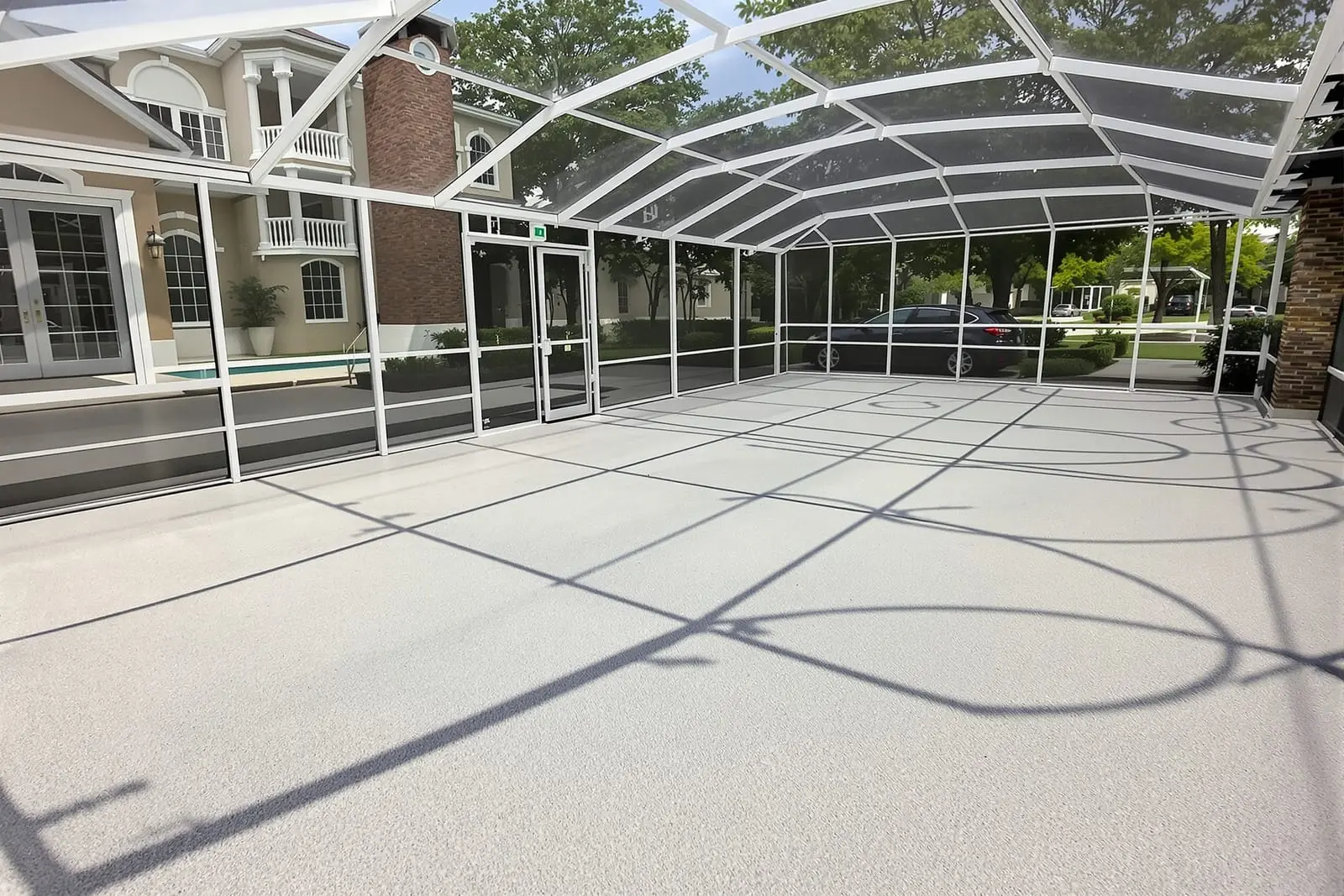
Vista Screens Lakeland provides complete pool cage rescreening in Lakeland, FL for weathered or damaged enclosures. We remove old, brittle mesh and install new, high strength screen panels. Our rescreening service tightens sagging sections and replaces broken spline or hardware. Refresh your pool area with a like new enclosure at a fraction of replacement cost.
Vista Screens Lakeland provides professional pool cage rescreening throughout Lakeland, FL and the surrounding area. Our licensed, insured crew delivers safe, clean, on-time work with a free estimate before anything begins. Call (813) 820-6654 or request your free quote.
Straight talk about pool cage rescreening in Lakeland
Pool cage rescreening is not just about replacing a few torn panels. In Lakeland, strong afternoon storms, high humidity, and year-round sun slowly break down screen fabric and hardware. Vista Screens Lakeland focuses on restoring the structure so it works like it did when it was new, keeps bugs out, and stands up to local weather.
When we rescreen, we inspect the entire enclosure first. That includes the aluminum frame, roof panels, wall panels, doors, fasteners, and the screws that tie your cage to the concrete deck. We point out any corrosion, loose connections, or twisted members before we start pulling screens. This helps prevent surprises and lets you decide what to fix now and what can reasonably wait.
Most pool cages in Lakeland do not need a permit just for rescreening, since the structure is not being changed. If structural members are rotten, or if an HOA controls exterior appearance, you may need approval before we start. Vista Screens Lakeland can provide written scope, screen samples, and color chips that you can attach to your HOA request so it gets cleared the first time.
How Vista Screens Lakeland actually performs a rescreen
A clean, tight rescreen starts with safe access. Our crew sets ladders and, on taller cages, rolling scaffolds so we can reach roof panels without stepping on the aluminum members incorrectly. We work in sections so your pool is never completely exposed for long.
Step one is removal. We cut and pull the old spline carefully to avoid gouging the aluminum channels, then roll out the old screen and bag it so scraps do not end up in your pool or landscaping. As each panel comes out, we brush out the spline grooves, removing old rubber, dirt, and paint flakes so the new spline can seat properly.
Step two is preparation. If we find light oxidation on the frame, we clean it with a non chlorine solution, then dry it before rolling in new screen. If any frame screws are rusted or stripped, we replace them with stainless where possible so your cage holds up better to Lakeland’s wet season.
Step three is the new screen install. We roll out the screen over each opening, align the weave so it is square to the frame, and secure it with new spline using the correct diameter for your specific channel. Too small and it will pull out, too large and it can crush the aluminum or distort the frame. On roof sections, we tension the fabric to reduce future sagging but avoid overtightening that could stress the members.
We finish by trimming excess material, checking door operation, adjusting closers and latches if needed, and walking the deck with you so you can see and feel the new screens before we pack up.
Screen material options that work in Polk County weather
In Lakeland, screen fabric choice matters because UV exposure, chlorine, and afternoon wind gusts are constant. Vista Screens Lakeland explains options in plain language and brings samples so you can see and touch them on site.
Standard fiberglass screen is the most common and budget friendly. It is good for homeowners who mainly want bug protection and do not have many pets clawing at the mesh. It offers solid airflow and visibility, which is important around pools where humidity is already high.
For customers who want longer life and better tear resistance, we often recommend polyester or so called “premium” screen. It costs more up front but typically outlasts standard fiberglass in Lakeland’s sun, and it handles pressure washing better, which many local homeowners do several times a year for algae control.
Pet resistant and “Florida glass” vinyl laminated screens are specialty options. Pet resistant mesh is thicker and stronger, good for lower wall panels where cats or dogs lean or scratch. Florida glass is more like a semi opaque film that gives privacy and helps keep deck debris and roof runoff from blowing into the pool. It is common along property lines in tight Lakeland neighborhoods, but HOA rules sometimes limit its use on street facing sides.
We also look at color. Most Lakeland pool cages are bronze or white. Matching bronze screen with bronze frames tends to hide dirt and pollen better, and it usually blends with waterfront and lake view properties. White can brighten shaded pools but shows mildew faster. We talk through what fits your specific yard, view, and maintenance habits.
What impacts the cost of pool cage rescreening
Homeowners often ask for a single price per square foot, but real pool cage rescreening costs in Lakeland vary by cage size, access, material choice, and condition of the existing frame and hardware. Vista Screens Lakeland builds estimates so you can see what is driving the number.
Square footage is the main factor. Large roof sections and two story enclosures require more labor and safer access setups, which increases cost compared with a low, single story lanai. If your cage is built over planters or raised features, we may need extra time to protect landscaping and maneuver ladders.
Material choice changes both labor and materials cost. Upgrading from standard fiberglass to premium polyester, pet resistant mesh, or Florida glass increases material cost per panel. In return, you typically gain longer service life or additional privacy. We break these options out line by line so you can mix materials, for example standard on the roof, pet resistant at the lower walls.
Existing damage and corrosion also affect price. If the aluminum has surface oxidation only, we can usually clean it as part of normal prep. If we find rotted kick plates, cracked members, or heavily rusted fasteners near the deck anchors, we will price those separately. Sometimes it makes sense to replace only a few problem bolts now and plan a future structural refresh, especially if you are preparing to sell the home.
Because weather is unpredictable in Lakeland, we also build scheduling flexibility into our pricing. We avoid partial rescreens that leave your pool unprotected for long stretches. Instead, we schedule enough crew to finish full sections in one visit so storms do not blow debris directly into your pool overnight.
Common Lakeland pool cage issues and how we handle them
Lakeland’s climate produces a specific set of pool cage problems: sagging roof panels, brittle screen that rips during routine pressure washing, algae and mildew on the frame, and doors that no longer close right because of shifting slabs or worn hardware. Vista Screens Lakeland is set up to address these issues during a rescreen rather than treating the job as a simple fabric swap.
Sagging roof panels often come from earlier installs where the screen was not tensioned correctly or where the spline channel was damaged. When we rescreen, we inspect each roof bay, reshape minor bends where possible, and correct screen tension so water runs off correctly instead of pooling. If an existing member is too bent or cracked to support new screen, we discuss reinforcement or replacement before proceeding.
Chalky, oxidized frames are common near pools and lakes in Polk County. Light oxidation usually just needs cleaning, but heavy chalk can affect how well the new spline grips the channel. We brush and wipe the channels before installing new screen so it seats fully. In severe corrosion areas, especially near seawalls or lakefront properties, we may recommend stainless fastener upgrades.
Door problems are another frequent complaint. During a rescreen, we remove and reset door screens, check hinges, closers, strikes, and weatherstripping, and confirm that the door seals tightly so mosquitoes and no-see-ums stay out. If your deck has settled and the door frame is out of square, we can often adjust components so the door functions correctly again without replacing the entire structure.
What to expect when you hire Vista Screens Lakeland
Before we schedule work, Vista Screens Lakeland visits your property to measure, photograph key details, and listen to how you actually use your pool area. If you host evening cookouts, for example, we might suggest finer mesh to reduce tiny insects that are common near Lakeland’s lakes and retention ponds.
You receive a written estimate that lists screen types, color, any hardware upgrades, and any recommended frame repairs. If you have an HOA, we can provide material descriptions and color notes to attach to your application. Most HOAs in Lakeland focus on keeping the original color and general appearance, so a like for like rescreen is often approved quickly.
On job day, we protect your pool and deck surfaces, move light furniture, and cover sensitive equipment if needed. We keep work areas as contained as possible so debris does not blow into neighbors’ yards. At the end of each day, we remove old materials, check that the pool is free of large scraps, and secure the enclosure so pets and children remain safe.
When the rescreen is complete, we walk the enclosure with you and look at all corners, seams, and door operations. We explain how long to wait before pressure washing, what cleaning products are safe for your new screen, and realistic life expectancy based on the material you chose and Lakeland’s weather. Our goal is that you understand exactly what was done, how to take care of it, and when you should plan for the next round of maintenance.
“
Professional pool cage rescreening, done right the first time, quality materials, honest pricing, and results that last.