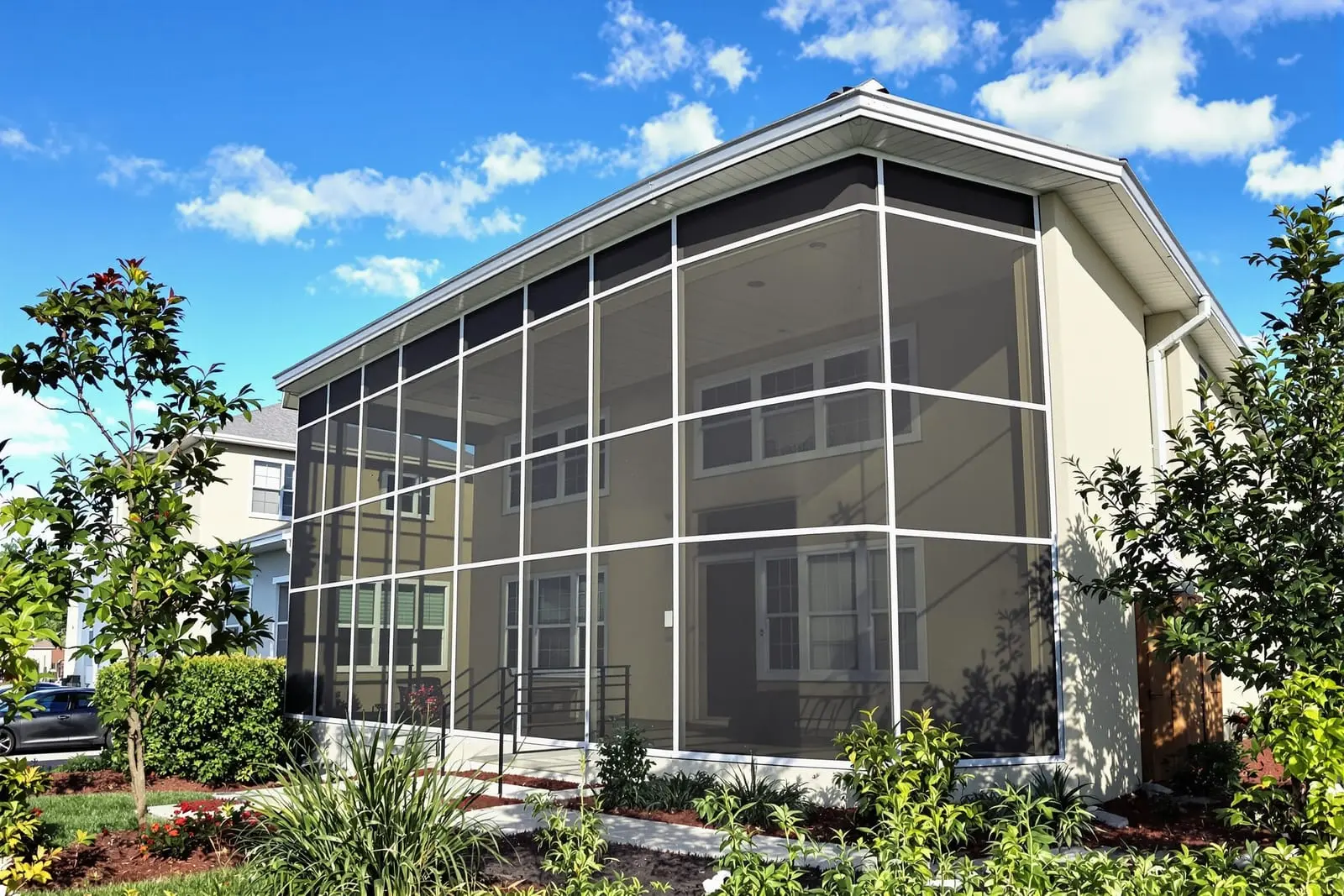
Vista Screens Lakeland provides commercial screen installation in Lakeland, FL for offices, retail buildings, and multi unit properties. We install heavy duty window and door screens that improve airflow and occupant comfort. Our team coordinates around business hours to minimize disruption. Protect your property and enhance appearance with professional commercial screens.
Vista Screens Lakeland provides professional commercial screen installation throughout Lakeland, FL and the surrounding area. Our licensed, insured crew delivers safe, clean, on-time work with a free estimate before anything begins. Call (813) 820-6654 or request your free quote.
Commercial Screen Installation for Lakeland Businesses
Vista Screens Lakeland provides commercial screen installation tailored to the way businesses actually operate in Polk County. We work with retail plazas, medical offices, restaurants, multifamily complexes, warehouses, and professional buildings throughout Lakeland, from historic downtown properties and older masonry strip centers on Memorial Boulevard to newer concrete tilt wall structures near the Polk Parkway.
Our focus is practical: better airflow, insect control, and usable outdoor or semi outdoor space that fits Florida’s climate and your day to day business needs. We design screen systems that hold up to Lakeland’s intense sun, frequent afternoon storms, and heavy pollen seasons so you are not constantly paying for repairs. Every project starts with how your staff and customers use the space today, then we design a screen solution that supports that use instead of getting in the way.
How Our Commercial Screen Installation Process Works
Commercial screen installation has more moving parts than a basic residential porch. At Vista Screens Lakeland we follow a clear process so your business can stay open as much as possible while we work.
1) Site walk and measurements: We walk the full perimeter of the area to be screened, document existing posts, beams, soffits, and roof lines, then take laser measurements. For plazas and office buildings along South Florida Avenue we pay special attention to varied tenant facades and transitions between suites.
2) Structural and code review: We look at attachment points, load paths, and existing framing to be sure the screen system can handle wind and rain. In Lakeland, commercial work may require permit drawings, so we design within local building code and plaza or HOA rules.
3) System selection: We present frame profiles, screen materials, and door hardware that match your use and security needs. For example, a restaurant on Lakeside Village may choose wide openings with heavy duty doors for servers, while a storage facility or warehouse near Combee Road focuses on bug control and durability.
4) Scheduling and phasing: We coordinate with your business hours, often working early morning, evening, or in phases so entries and patios remain usable. For multi tenant buildings we can stage work so individual suites are disrupted as little as possible.
5) Installation: Our crew sets anchors, installs aluminum framing or track systems, fits and tensions screen material, then seals edges and transitions. We contain dust and debris, keep walkways clear, and communicate daily with your site manager.
6) Final walk through and adjustments: We test all doors, panels, and fasteners with you present, make onsite adjustments, and show your staff how to operate any removable panels or access doors.
Screen Systems and Material Options for Businesses
Different Lakeland businesses need different screen solutions. During design, Vista Screens Lakeland walks you through options that affect performance, appearance, and cost.
Frame systems: Most commercial installations use extruded aluminum framing, which resists corrosion in Florida humidity. For storefronts and covered walkways we often use heavier commercial grade profiles that tie into steel or concrete, while smaller office patios might use lighter framing that attaches to existing beams.
Screen mesh types: Standard fiberglass insect screen works well for basic patios and breezeways. For restaurant and bar patios, tighter weave screens can reduce gnats and no see ums that are common near our lakes. For high traffic areas, such as apartment complex pool enclosures, we often recommend polyester or vinyl coated polyester mesh, which resists tearing from carts and frequent door use.
Solar and privacy options: West facing storefronts along US 98 or Harden Boulevard can benefit from solar screen materials that cut glare and heat while still allowing airflow. For medical, financial, or legal offices that need privacy on outdoor break areas, a darker privacy mesh can obscure views from parking lots without fully closing in the space.
Doors and access: Commercial screen doors see heavier use than residential ones. We specify heavy duty hinges, closers, and aluminum kick plates. For delivery or service areas, wider double doors or removable screen panels allow carts and equipment to pass without damage. Where required, we can integrate panic hardware and ADA compliant thresholds.
What Affects the Cost of Commercial Screen Installation
Cost for commercial screen installation in Lakeland varies because no two buildings and site conditions are exactly the same. Vista Screens Lakeland provides written, line item estimates so you can see where your budget is going.
Key cost drivers include:
Size and complexity: Long covered walkways in older strip centers often require different connection methods at each tenant bay, which takes more labor than a simple rectangular patio. High ceilings, upper level balconies, or screen walls that require scaffolding or lifts also increase cost.
Existing structure condition: Many older block buildings around downtown Lakeland and along Ingraham Avenue have weathered concrete and uneven surfaces. We may need to add blocking, specialty anchors, or custom trim to create a solid attachment line, which adds both materials and labor.
Material choices: Heavy duty aluminum framing, solar or privacy screen mesh, corrosion resistant fasteners, and commercial grade doors cost more upfront but usually pay off in fewer service calls. We show you a base option plus upgrade options so you can match lifespan and performance to your budget.
Permit and engineering needs: Some commercial installations, especially large screened patios or long continuous corridors, may require sealed engineering or city permits. We can coordinate with local engineers and the City of Lakeland permitting office and include those fees in your proposal if needed.
Access and operating conditions: Working around active customer entrances, landscaping, or limited parking may require extra setup time or off hours work. We discuss these factors openly so there are no surprise charges.
Common Commercial Screen Issues and How We Prevent Them
Commercial properties around Lakeland face a specific set of screen problems because of Florida’s climate and the way public spaces are used. Vista Screens Lakeland designs installations to minimize those issues from day one.
Heavy use wear: Doors at restaurant patios, apartment amenities, and office building break areas are opened all day, often with carts or trays. To prevent sagging or misalignment, we use reinforced door frames, continuous hinges on larger doors, and fasteners rated for repetitive movement.
Weather and wind load: Afternoon storms and occasional tropical systems can put significant pressure on large screen walls. We use appropriate fasteners and bracing, and in some cases break long runs into sections so wind passes more safely. Where practical, we avoid overly large unsupported spans that tend to flex and tear mesh at the edges.
Water intrusion: Screened commercial entries and patios must shed water away from doors and customer paths. We look at existing roof drip lines, gutters, and slopes so we can add flashings or custom trim to direct water off the screen framing. This helps avoid slippery surfaces and long term deterioration around attachment points.
Pest and debris buildup: In areas near lakes or heavy landscaping, pollen, spiders, and debris can clog lower screen sections. We design with removable panels or access points so your maintenance staff can clean or replace sections without special tools or full system disassembly.
Local Knowledge for Lakeland Commercial Properties
Buildings in Lakeland are a mix of older masonry plazas, newer retail centers, historic downtown structures, and expanding multifamily communities. That variety means commercial screen installation must be flexible and informed by local building practices.
On older block buildings, common along US 92 and Kathleen Road, we often encounter painted over cracks, patched stucco, and inconsistent overhangs. Our team is used to creatively but safely bridging those irregularities with custom aluminum extrusions and trim, rather than forcing a residential style screen kit to fit a commercial façade.
In newer developments near the Polk Parkway and North Lakeland, building owners often want outdoor amenities that match modern architecture. For those sites we pay close attention to color matching, clean lines, and integration with storefront systems, so the screen installation looks like part of the original design instead of an afterthought.
For restaurant and hospitality clients around Lakeside Village or downtown, we understand the importance of keeping patios usable through bug season while maintaining a welcoming look. We can coordinate with your signage, lighting, and furniture layout so screen posts and doors align with your seating plan and do not interfere with host stands or service paths.
Because we work only in this region, Vista Screens Lakeland is familiar with local inspectors, plaza management expectations, and typical tenant improvement timelines, which helps your project move smoothly from first call to completion.
Why Lakeland Businesses Choose Vista Screens Lakeland
Commercial screen installation is not something you want to redo every couple of years. Businesses around Lakeland partner with Vista Screens Lakeland because we approach each project as a long term part of the property, not a disposable add on.
We provide detailed site specific proposals, not one size fits all quotes. Before we recommend a system, we talk with owners or property managers about tenant turnover, cleaning routines, and long term plans for the building. That informs whether we prioritize maximum durability, easiest maintenance, or future flexibility.
Our installers are used to working in occupied commercial spaces. They maintain clean walkways, set up clear temporary barriers where needed, and communicate daily with store managers or office staff so activities are not a surprise. For multi tenant properties, we can meet with tenants to explain the work schedule and access needs.
After installation, we remain available for adjustments, repairs, or expansions. For properties that plan phased improvements, such as multi building complexes near Cleveland Heights or along Lakeland Hills Boulevard, we can design the first phase with tie in points that make later additions simpler and less disruptive.
If you manage or own a commercial property in Lakeland and are considering commercial screen installation, Vista Screens Lakeland can visit your site, discuss practical options, and provide a clear written plan that fits your building and your business.
“
Professional commercial screen installation, done right the first time, quality materials, honest pricing, and results that last.
Vista Screens Lakeland
Commercial Screen Installation Across Our Service Area