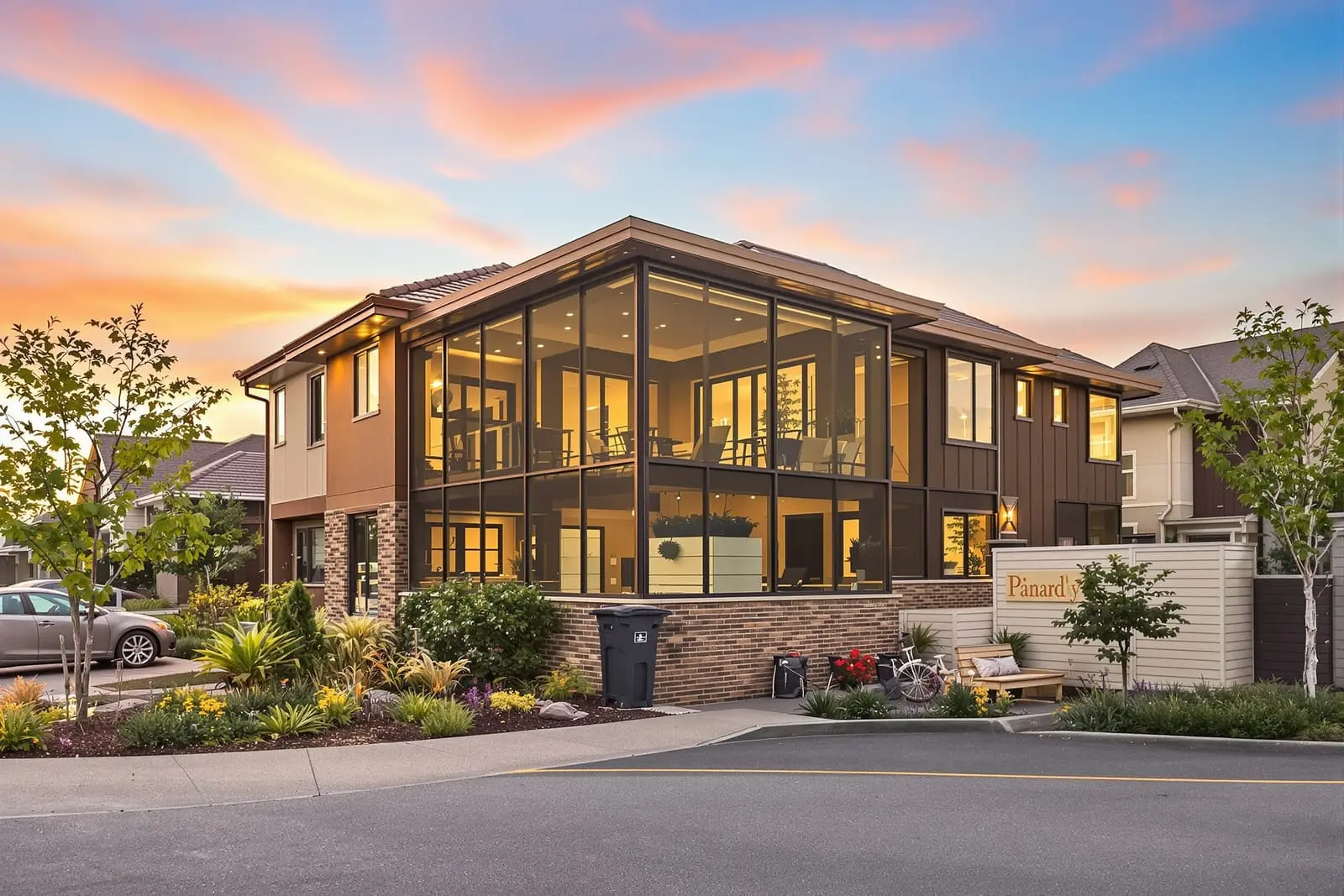
Vista Screens Lakeland delivers HOA and multifamily screen services in Lakeland, FL for communities that need consistent quality. We handle bulk screen repairs, rescreening, and enclosure projects for condos, townhomes, and managed neighborhoods. Our team coordinates with managers and boards to schedule work efficiently. Keep your community attractive and uniform with professional screen services.
Vista Screens Lakeland provides professional hoa screen services throughout Lakeland, FL and the surrounding area. Our licensed, insured crew delivers safe, clean, on-time work with a free estimate before anything begins. Call (813) 820-6654 or request your free quote.
HOA & Multifamily Screen Services Tailored to Lakeland Communities
Vista Screens Lakeland specializes in HOA screen services and multifamily screen projects that keep entire communities looking consistent, safe, and easy to maintain. Instead of treating each screen job like a one-off repair, we look at how your buildings, balconies, lanais, and pool areas work together as a whole.
For HOAs and property managers, that starts with a walkthrough of the property. We walk each building, note the different screen types, frame colors, heights, and code-related details like guardrail heights or egress windows. We document everything in plain language so your board or management team can see what really needs attention right away, what can wait, and what should be part of a long-term plan.
Lakeland’s mix of older condo communities and newer townhome developments creates special challenges. Some properties have outdated bronze frames with brittle fiberglass mesh, others have aluminum balcony railings that were never screened correctly for Florida wind and rain. Our team is local, so we know which builders used which systems and the best way to repair or upgrade without fighting with past work.
Instead of one-size-fits-all options, Vista Screens Lakeland helps you create community standards that make sense: approved mesh types, color options that match existing trim, and acceptable hardware and fastener types. That way, you can give residents clear rules, control long-term costs, and keep the property’s appearance consistent without constant back-and-forth on every single work order.
How Our HOA Screen Services Process Works
Managing screens across dozens or hundreds of units can be a headache if there is no clear process. Vista Screens Lakeland uses a simple, repeatable system that works for HOAs, condo boards, and multifamily owners.
Step 1: Property assessment and photo report. We inspect representative buildings or every building, depending on your budget and goals. We take photos of common issues, like ripped porch screens, loose balcony panels, deteriorated spline, or rusted fasteners. We then group findings into categories, such as safety-related, weather intrusion, appearance, and optional upgrades.
Step 2: Written standards and scope. If your HOA does not already have screen guidelines, we help you write practical standards. For example, “18x14 charcoal fiberglass screen, white aluminum frames, no pet screen on front elevations, pet-resistant mesh allowed in rear lanais only.” Clear rules prevent mismatched colors and materials that hurt curb appeal and resale value.
Step 3: Phased work plan and pricing. For multifamily and HOA clients, we do not just quote one big number. We can break pricing into phases by building, elevation, or level of urgency. You might repair all safety-related balcony screens first, then budget for cosmetic upgrades the following season. We also offer per-opening or per-unit pricing so you can approve work orders quickly without re-bidding each time.
Step 4: Resident coordination. We work with your property manager or board to notify residents in advance. For occupied units, we provide time windows and clear instructions, such as clearing lanai furniture away from the screen or securing pets. If your association prefers, we can work only in common areas and exterior elevations, with residents scheduling interior-facing work separately at pre-negotiated community pricing.
Step 5: Final check and documentation. After installation or repair, we do a walkthrough, check tension, inspect fasteners, and confirm that everything matches the agreed standard. We can provide a simple completion report for your records, which helps future boards understand what was done and when.
Materials, Design Options, and What Drives Cost in Lakeland
A big part of HOA screen services is setting smart material and design standards. Vista Screens Lakeland focuses on options that stand up to local conditions, especially Lakeland’s heat, afternoon storms, and pollen.
Screen mesh options. Most communities choose 18x14 fiberglass mesh for general use because it balances airflow, visibility, and cost. For buildings near retention ponds or wooded areas, we often recommend 20x20 “no-see-um” mesh to cut down on small insects. Pet-resistant mesh is thicker and costs more, so many HOAs limit it to rear lanais or ground-floor patios where damage risk is highest.
Frame and hardware. In Lakeland, white and bronze aluminum frames are the most common for multifamily properties. If your property has older bronze frames that have faded at different rates, we can help you choose a replacement shade that blends well without having to repaint entire buildings. Stainless or coated fasteners cost a bit more upfront, but they significantly reduce rust streaks on stucco, which is a big issue in our humid climate.
Design and access details. Costs can change based on building height, access, and structure. For example, third-floor balcony screens that require special ladders or scaffolding are priced differently than ground-floor lanais. If your property has large pool enclosures or breezeways, we consider wind loads, existing bracing, and any local code requirements before recommending heavier-gauge framing or additional anchors.
Seasonal timing. In Lakeland, the best times of year for larger screen projects are typically late fall through early spring. Hurricane season and daily summer storms can slow work and limit safe access to higher elevations. Planning ahead for these months often leads to smoother scheduling, better resident communication, and fewer weather delays, which can indirectly affect your overall cost.
Common HOA Screen Problems and How We Solve Them
Multifamily and HOA communities in Lakeland tend to see the same screen problems, just multiplied across dozens of units. Vista Screens Lakeland focuses on solutions that fix the immediate issue while also slowing down the cycle of repeat repairs.
Wind-blown and sagging panels. Afternoon storms can cause screens that were installed with cheap spline or poor tension to sag or pull out. We correct this with the right spline size for each frame channel, proper tensioning techniques, and careful trimming so the mesh does not bunch up at corners. For taller openings, we may recommend mid-bars or support channels to reduce movement.
Mismatched repairs. Over the years, different vendors and residents may have installed different mesh types and colors. This creates a patchwork look that boards hate. As part of our HOA screen services, we identify an acceptable “match range” for your community. When a perfect color match is no longer available, we specify an approved alternative that still looks coordinated from the street or courtyard.
Water intrusion at lanais and balconies. Many residents think screens are leaking when the real issue is missing kick plates, damaged spline at the bottom, or clogged weep holes. We inspect these details and can add or repair aluminum kick plates, re-spline lower sections, and point out any areas that need to be addressed by a roofer or stucco contractor instead.
Pest and bird problems. Open gaps at the top of enclosures, torn corners, or unsealed utility penetrations can invite birds, lizards, and insects. We seal gaps with screen, trim, or custom aluminum pieces where appropriate. In breezeways and common stairwells, we can design screens and doors that improve airflow while still keeping birds out and meeting fire code requirements for egress.
Code and safety issues. For upstairs balconies, we check that the screen system does not interfere with guardrail function or emergency exits. If city or county inspectors have flagged a concern, we work with your manager to find a solution that satisfies code without changing the look of the building more than necessary.
Working With Vista Screens Lakeland as Your Long-Term Screen Partner
HOA and multifamily screen work is not a one-and-done project. Screens wear out at different rates, residents move in and out, and boards change. Vista Screens Lakeland aims to be a long-term partner so you are not starting from scratch every time a problem pops up.
For many Lakeland associations, we set up a recurring maintenance plan. This might be an annual or semiannual inspection of common areas and building exteriors, with a simple punch list of recommended screen repairs. You can then approve work as a batch, keeping labor costs predictable and minimizing multiple resident notifications.
We also offer community pricing for individual unit upgrades that still follow your standards. For example, if a resident wants no-see-um mesh or pet screen in a rear lanai, we can quote them directly using the colors and profiles your HOA has approved. This takes pressure off the board and management staff, because you are not asked to review every personal request.
Communication is a big part of successful HOA screen services. Before work begins, we provide your manager or board with a short summary you can email or post to your portal, explaining what we will be doing, expected time frames, and what residents need to do to prepare. After work is complete, we are available to walk the property with your representative and address any punch-list items promptly.
Because we are based right here in Lakeland, we are familiar with local weather, building styles, and community expectations. Whether you manage a 12-unit condo or a 300-unit townhome community, Vista Screens Lakeland can help you set clear standards, control long-term costs, and keep your property’s screens looking sharp year after year.
“
Professional hoa and multifamily screen services, done right the first time, quality materials, honest pricing, and results that last.
Vista Screens Lakeland
HOA and Multifamily Screen Services Across Our Service Area